Technology in Film Production: Artistry Transfigured Troubling Storytelling

Technology in Film Production: Artistry Transfigured Troubling Storytelling

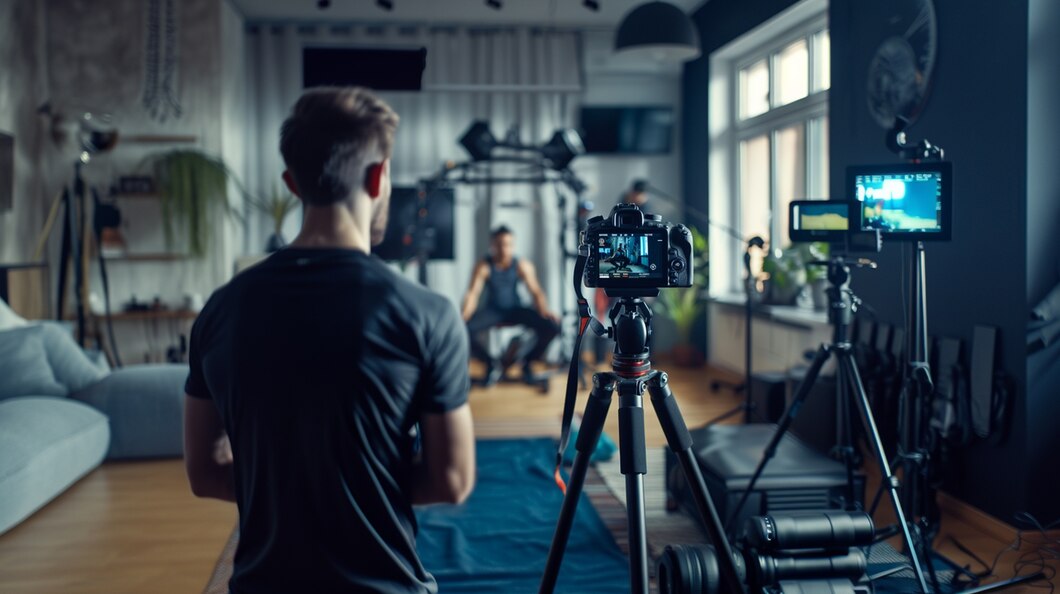
Film production has undergone developments since its humble beginnings; today’s advances are ceaselessly growing in rolling out new technologies, making the storytelling, creativity, and realism boundaries push further. Such technology encompasses CGI innovations to machine-engineered AI editing; however, with this transformation in the technology dimension of film production, creating movies is now processing them into shaping filmmakers’ visions into reality. Here, the exciting latest innovations worth noting on cutting-edge technologies reinventing the industry as it is today will be discussed.

1. The Development of Digital Filmmaking

This is the end of all days when filmmakers had only to depend on traditional reels because digital filmmaking became the norm because of higher flexibility, cost savings, and even better quality. High-definition (HD) and 4K cameras go a very long way in helping directors realize that their images are going to be crisp and detailed, while 8K technology introduces itself into mainstream industry production gradually.

Filmmakers have the option to film several takes now without fear of incurring exorbitant material costs. In fact, it encourages a more creative and experimental approach to filmmaking because it enables them to test their ideas maximally.

2. Visual Effects and CGI

Visual effects (VFX) and computer-generated imagery (CGI) are the greatest change makers to the industry, making impossible things possible-from imaginative worlds in such films as Avatar and The Lord of the Rings to de-ageing of actors to rendering photorealistic digital personas, CGI promises to revolutionize the landscape of cinematic limits.
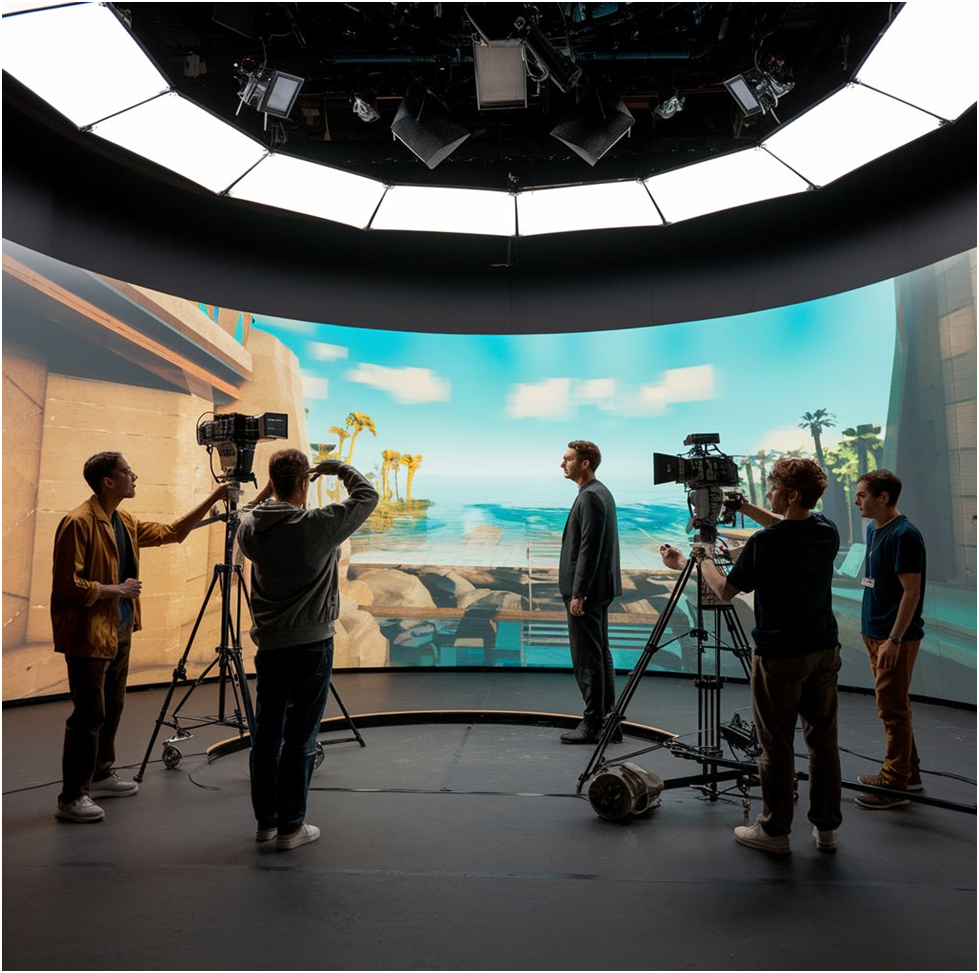
The newest developments of VFX are now time-real rendering technologies as they allow filmmakers to see CGI effects whilst at set, and do not have to wait for post-production to complete all that. Such applying game engines as Unreal Engine create entirely new possibilities within virtual production turning into a highly cost-and-time-efficient production method.

3. LED Walls and Virtual Production

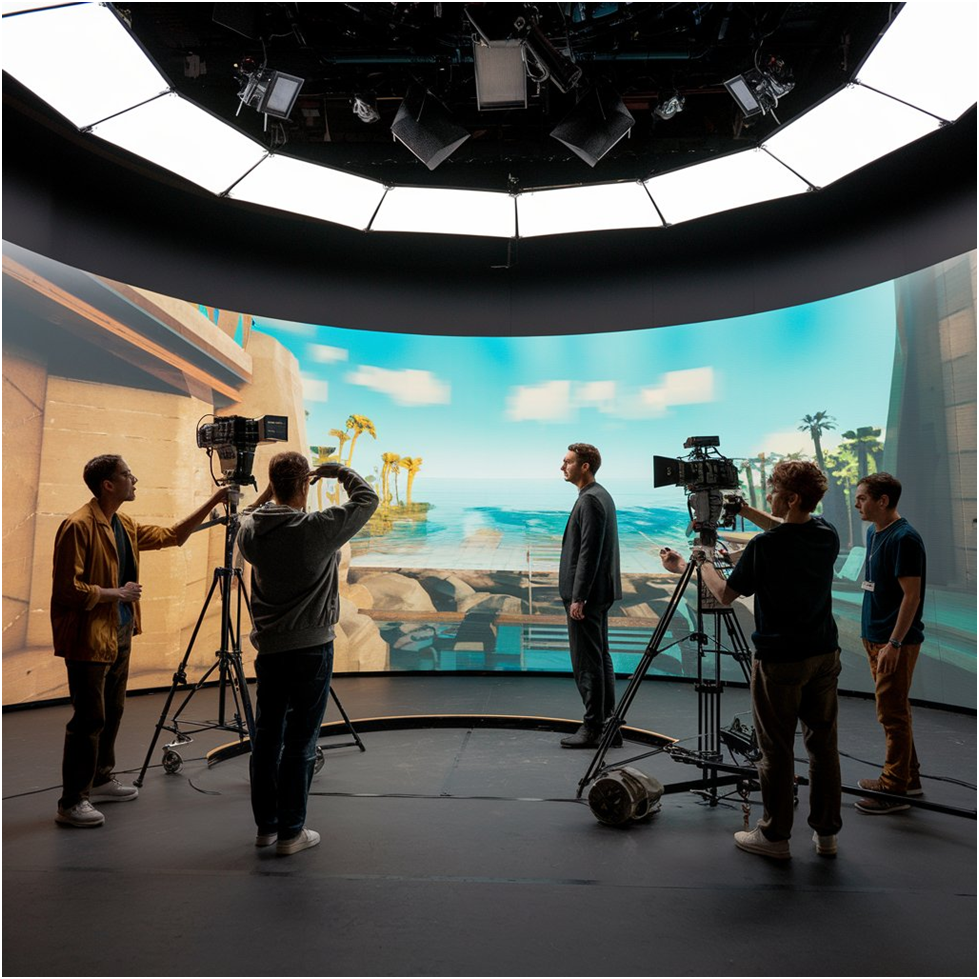
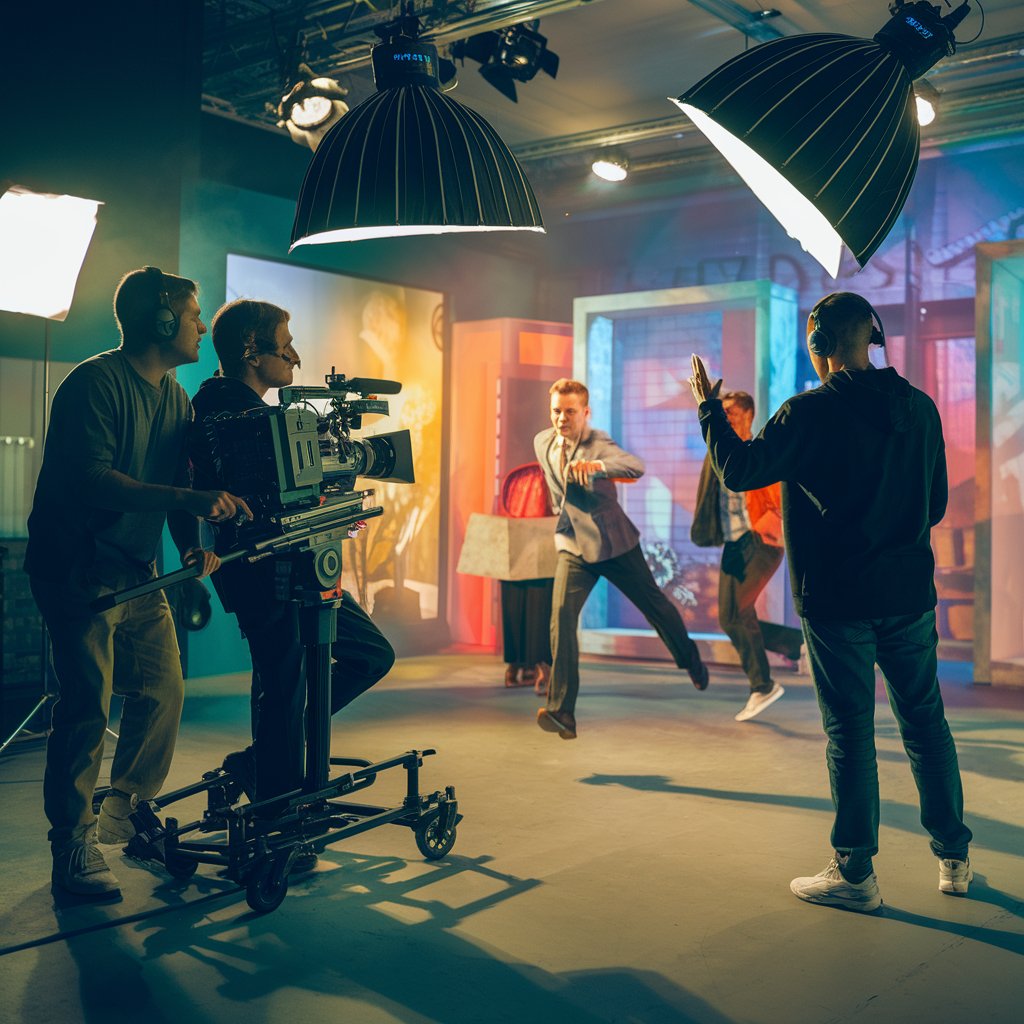
Virtual production is one of the most amazing advances within the last few years: using LED walls, high-quality realistic environments, and real-time rendering are ideal replacements for traditional green screens. The actor’s interaction with their environment becomes enhanced and more dynamic, through using LED screens instead of green screens.

Movies and TV shows such as The Mandalorian are a glimpse of what this technology could do. Combined with LED walls, the photorealistically projected backgrounds could shift dynamically, congesting most of the post-production work while making on-location shooting much more feasible.

4. Artificial Intelligence in Film Editing and Post-Production

AI has invaded the film industry from editing and postproduction work in the form of AI tools, which analyze extremely large amounts of footage to spot optimum takes and make rough cuts of the show, thus making the editing process much more efficient.

AI is also used in color correction, audio enhancement, and even scriptwriting. Deep learning algorithms can work magic on historical efforts toward restoration by denoising images and even upscaling of low-resolution videos to modern standards.

5. Motion Capture and Performance Animation

Not only have motion capture (mo-cap) techniques changed the lives of many in the arts industry, but they have also changed most artists’ repertoire. Mo-cap involves tracking actors’ movements and facial expressions, enabling them to develop hyper-realistic CGI characters down to the last detail.

Photo-realistic creatures and characters were created by motion capture in Avatar, Planet of the Apes, and The Avengers. However, mo-cap technology is becoming more sophisticated with current developments in facial recognition, hence making digital portrayals more nuanced and emotive.

6. Aerial and Drone Cinematography

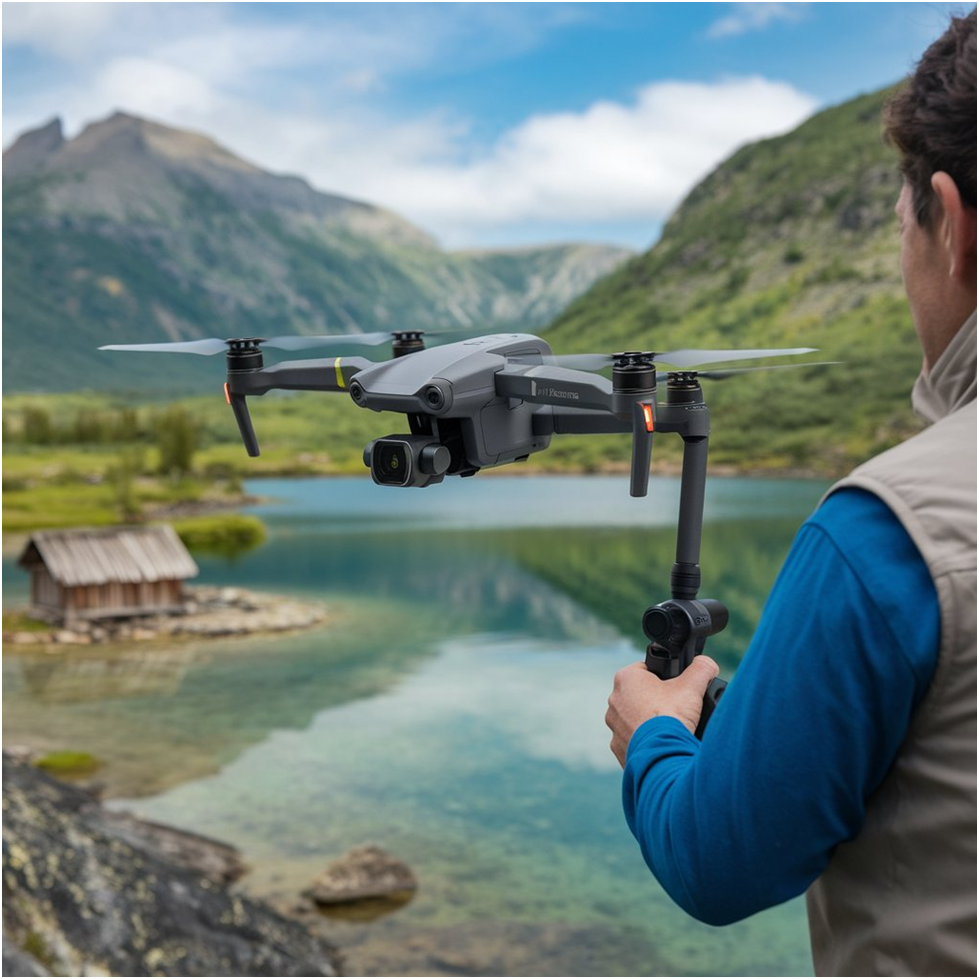
Drones opened formerly unreachable doors in cinematography-they are taking aerial shots the way it was only planned in the past with vast amounts spent on helicopter rigging. Chase scenes, breathtaking sceneries, or even vibrant action shots can now have their places in the final cut through the ease and affordability that drones add to aerial cinematography.
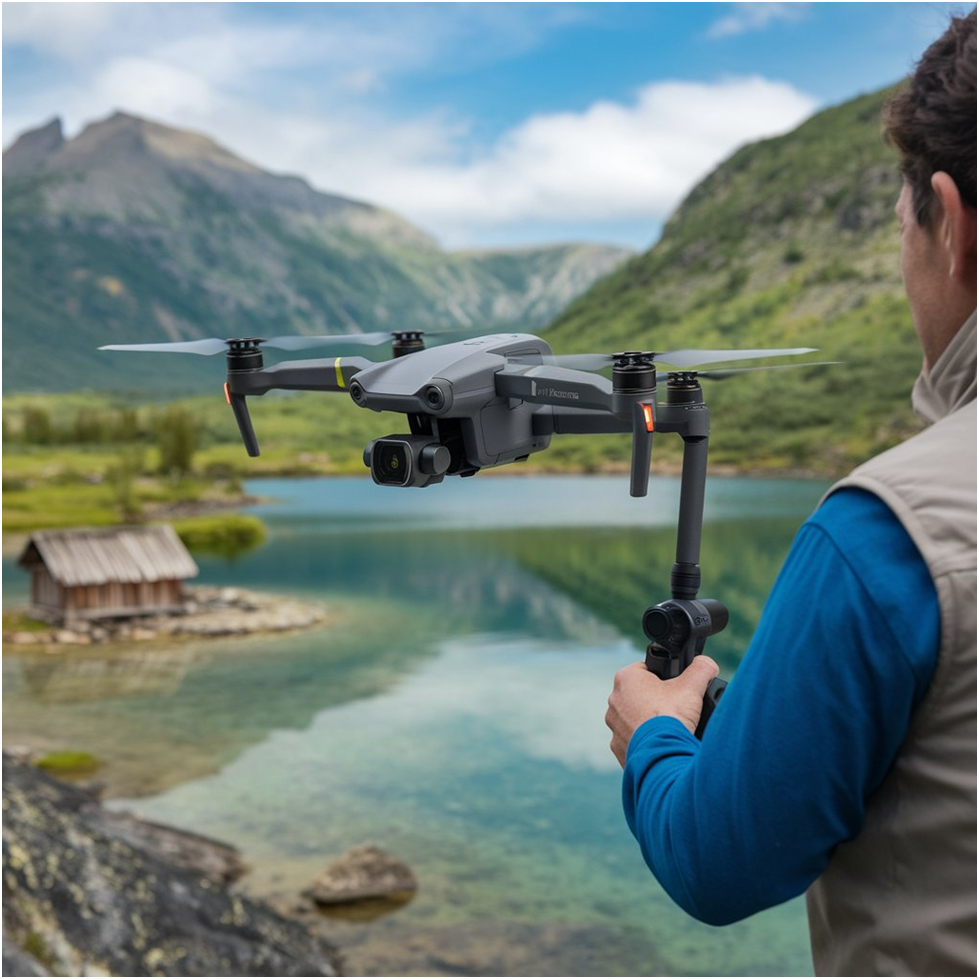
Drones today are advanced in terms of stabilization systems, have AI tracking, and come with high-resolution cameras, growing the creative freedoms and possibilities filmmakers receive.

7. Enhancements in Sound and Music Production

With sound technology having evolved remarkably, the experience of films has combined that into multi-dimensional space in which sounds taken in by systems like Dolby Atmos truly bring a viewer to feel part of a story happening.

AI-driven audio software might be separating background noises while enhancing dialogue clarity and generating original music scores. Machine learning-assisted sound design tools help filmmakers design their own unique experiences for storytelling.

8. The New Cloud Revolution in Collaboration

Cloud technology has made film production more remote as seamless as possible and fly people all over the world for a bit of cobbling together by filmmaker, editor, sound designer, and other visual effects people working in real time.

With Adobe Creative Cloud, Frame.io, or Avid Cloud Solutions, people can upload their files instantly, give feedback, and edit together to speed up postproduction.

9. 3D Printing and Practical Effects

Digital effects have become endgame in modern filmmaking, while practical effects are as imperative as they get. The 3D-printing component has transformed the areas of prop and set design, enabling a busy production team to construct intricate models, costumes, and set pieces speedily and affordably.

With movies like Black Panther and The Avengers using 3D-printed costumes and props, the lines between the actual world and the digital world are seamlessly blended for greater immersion.

10. The Film Technology of Tomorrow

Technology has leapt forward, leaving anything possible in film production. Storytelling mediums are opening up in AR and VR for interactive and immersive cinematic experiences. The script from an AI and deepfake technologies might in one way or another change how films are made, allowing new opportunities but raising ethical questions too.

While one can only guess at the outcomes of such collaborations between technology and creativity, the whole world is assured that cinema will continue to see cutting-edge, emotionally-charged, and beautifully filmed movies.

Conclusion

Technology in the industry has forever changed the landscape of film production. From digital filmmaking to CGI, to AI-driven post-production technologies in cloud-based collaboration, these advancements mix storytelling and efficiency like none other. In the future, filmmakers are going to further adapt to evolving technologies so that cinema can remain a living, viable art.

If you are an aspiring filmmaker, a seasoned professional, or just a film buff, understanding these late advancement gives a sneak preview into the future of filmmaking. Traditionally, the magic of cinema has been the art of storytelling, and with technology, it opens up.

To learn more about advanced movie production techniques and trends in the industry, go to WeDoEffects!
Guide for Clients – Why It Matters to Have High-End Equipment in Film Production

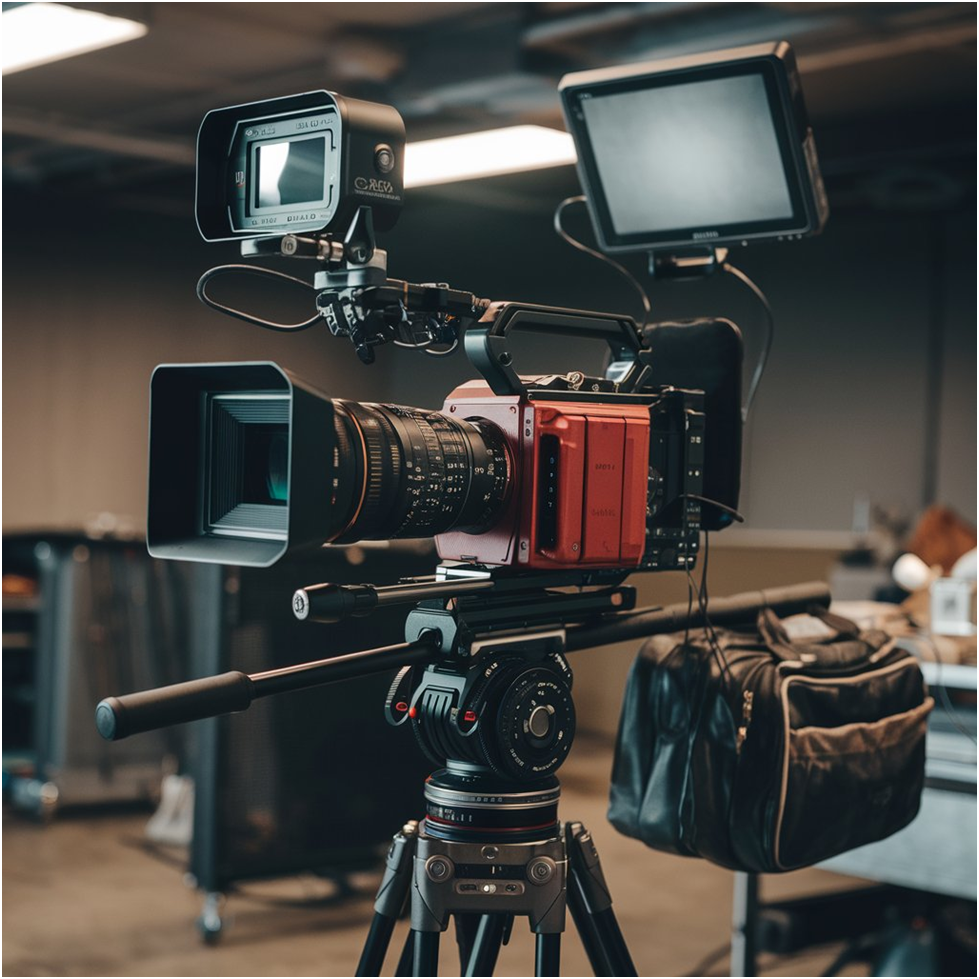
When it comes to filming, the equipment is what makes the magic. The high-end cameras, lighting rigs, sound equipment, and editing tools bring that final touch to a production and develop it into a professional filming experience that ultimately captures audiences. Most clients wonder why they would need to use such equipment when shooting their projects, and this guide gives some information on how high-end equipment will affect the extent of the quality, pace, and success of a production.

1. Best Image Quality Benefits High-End Equipment

Considering the most obvious reason why one should invest in high-end equipment, it would be because they give fabulous images in quality. The resolution of the sensor in a professional camera can be so high it allows for capturing breathtaking depth, details, and colors with an accuracy that’s very good. High flexibility is now allowed in post-processing due to the introduction of 4K and 8K cameras, which allow filmmakers to crop and stabilize while enriching their focus without much loss of clarity.

Super Premium lenses provide superb sharpness, nice bokeh, and very few distortions, giving a cinematic look. In this quality, every frame looks polished and immersive, whether commercial, corporate video, or feature film.

2. Advanced Lighting Requirements

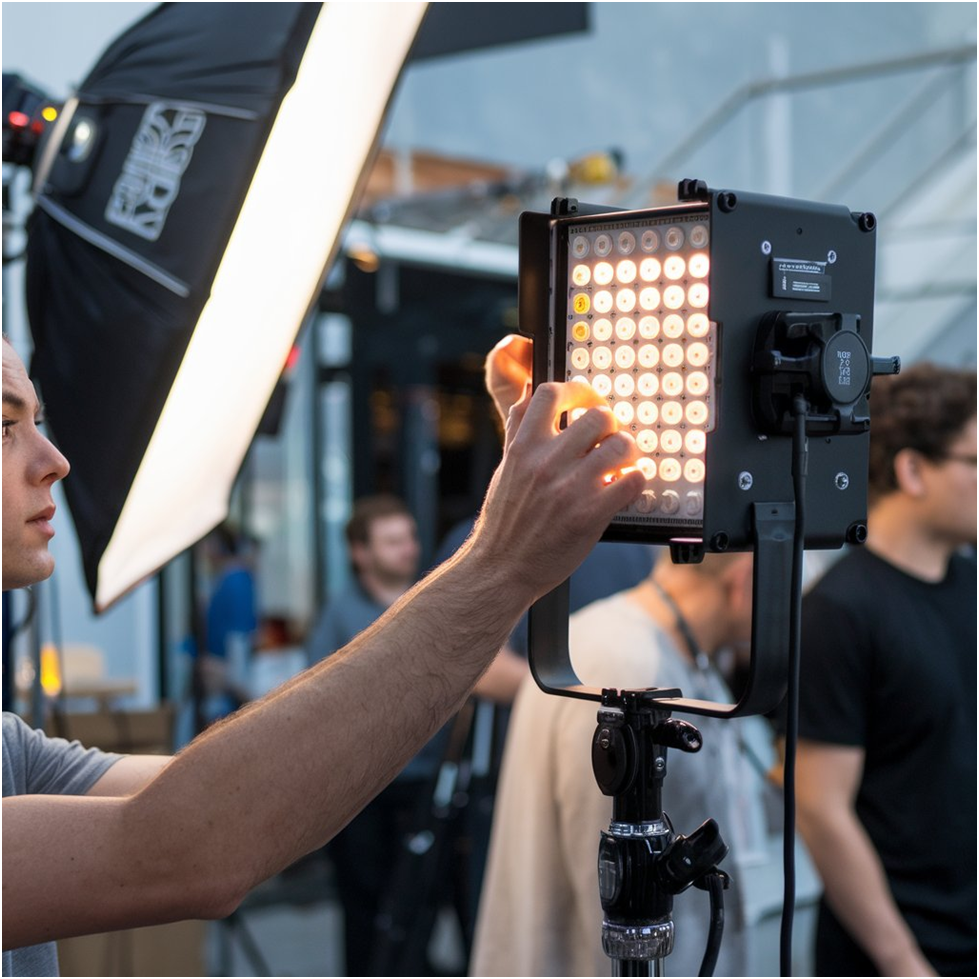
Light is an important element of filmmaking. It means mood, tone, and visual appeal within a scene. The precision available with high-end lighting equipment-all of the LED panels, HMI lights, softboxes-includes the control over brightness, color temperature, and even depth of shadows.

With these advanced lighting solutions, cinematographers can create aesthetically stunning scenes that amplify stories. Proper lighting cuts noise in a dim environment, harsh shadows, and disparity issues across shots, improving the overall production value.

3. Professional Quality in Audio Recording

Audio quality is as important as video quality, but it often does not get attention. Great microphones, boom poles, and field recorders are capable of capturing perfectly clear dialogue and the ambiance, while still keeping background noise and distortions to a minimal level.

These high-end audio-recording devices include lavalier microphones and shotgun mics. The devices help to ensure clear capture of voices in the most difficult environments, but the more essential aspect is that high-fidelity audio somehow elevates the emotional impact of a scene and makes it more absorbing for the audience.

4. Improved Workflow and Reliability

High-end equipment is engineered to improve the efficiency and reliability of on-set operations. Professional cameras have very high-speed memory cards, powerful processing systems, and long battery life that minimize downtime when shooting.

Because of that, advanced editing software and hardware speed up postproduction and make it possible for faster rendering, color grading, and special effects integration. Thus, it is reliable gear that helps the production team close in on tight deadlines while avoiding expensive reshoots due to technical failures.

5. Improved Special Effects and Flexibility for Post-Production

Premium equipment is said to improve the compatibility of one’s take with any kind of visual effects (VFX) and post-production techniques. High Dynamic Range (HDR) cameras usually capture most of the details of the highlights and shadows on the capture surface, allowing editors a high degree of latitude in color grading.

State-of-the-art editing systems always go hand-in-hand with CGI/motion graphics or even able to cater to effects derived from artificial intelligence. This means whatever special effects required will blend as most naturally as possible with the other live-action footage to deliver a complete visual product.

6. Professionalism and Brand Reputation

It tells the client that he cares about the quality and the professionalism in which a production was done when he invests in something that uses highly end equipment. It could speak volumes whether you are into corporate videos documentaries or publicity videos for advertisements; the best collected images and sounds would suggest a better conceptual image of the brands.

So, being shot and edited professionally ensures credibility for the video while consuming it by viewers; thus, the message is sent in a cleaner way to stand out among its many competitors. This makes quality-conscious clients enjoy better audience engagement and possess a long-term run on the investment made.

7. Future-Proof Content

With advances in technology, video content becomes obsolete within a few years capability but not certainly compatibility. 4K or 8K resolutions make high-resolution filming valid for future display technologies.

Top quality cameras extension to industry-standard formats thus can reserve efforts needed for re-edits or conversions in the future. Future-proof content will then easily hold its value and usability for all platforms, from streaming services to large-scale digital display screens.

8. More Opportunities for Creativity

Great high-end equipment massively unlocks creative potential. High frame rate recording is among the features that can allow shots to be slowed down smoothly. Advanced gimbals and drones help in producing dynamic movements of the camera.

This inspires filmmakers to experiment with ingenious techniques like timelapse photography, anamorphic lenses for the widescreen look, and multicamera setups for complicated scenes. With the appropriate tools, then vision can be made a full reality, thus enabling storytelling in original and compelling ways.

9. Edge over the Competition

The level of high-end production values-the way projects go into the final stages in the film industry-sets one apart from the crowd in making a commercial, a music video, or a corporate film.

The strong projects that are crafted at the very best level compete favorably with others at festivals. Such projects also get to attract larger numbers of audiences, hence the opportunity for greater distribution and even success increases. High-quality films thus lead to superior client satisfaction, which in turn leads to referral and a strong reputation in the industry.

10. Cost v/s Value

As a matter of fact, this kind of equipment is very costly, but it always comes with very large profit margins. It produces high-quality, highly efficient, and highly reliable items. All of these can reduce production risks and increase the final outcome.

Sure, clients who care about quality investment in the production of high-end concern will benefit in the terms of highly developed visuals that engage audiences and more important prove to be future proof as far as the company’s expectations are concerned. Most importantly, a step in further premium equipment directly links the effectiveness and success of the investment in better audience impact and eventual overall success.

Summary

Top-the-shop high-end equipment is not solely an end technological possession; rather, it should also result in the best that can be achieved from film production. Superior images and sounds, as well as improved workflow and creative possibilities have been made possible by this equipment, such that each production can meet the highest industry standards.

With the aim of creating worthwhile and powerful video content, it is important for clients to have the right production team with the right tools. Quality coverage enhances brand reputation, attracts audiences and provides long-term value.

We are WeDoEffects, and we believe in the best technology for bringing your vision into reality. Contact us and learn how our high-end equipment and expertise can elevate your next film project!

Technology in Film Production: Artistry Transfigured Troubling Storytelling

Film production has undergone developments since its humble beginnings; today’s advances are ceaselessly growing in rolling out new technologies, making the storytelling, creativity, and realism boundaries push further. Such technology encompasses CGI innovations to machine-engineered AI editing; however, with this transformation in the technology dimension of film production, creating movies is now processing them into shaping filmmakers’ visions into reality. Here, the exciting latest innovations worth noting on cutting-edge technologies reinventing the industry as it is today will be discussed.

1. The Development of Digital Filmmaking

This is the end of all days when filmmakers had only to depend on traditional reels because digital filmmaking became the norm because of higher flexibility, cost savings, and even better quality. High-definition (HD) and 4K cameras go a very long way in helping directors realize that their images are going to be crisp and detailed, while 8K technology introduces itself into mainstream industry production gradually.

Filmmakers have the option to film several takes now without fear of incurring exorbitant material costs. In fact, it encourages a more creative and experimental approach to filmmaking because it enables them to test their ideas maximally.

2. Visual Effects and CGI

Visual effects (VFX) and computer-generated imagery (CGI) are the greatest change makers to the industry, making impossible things possible-from imaginative worlds in such films as Avatar and The Lord of the Rings to de-ageing of actors to rendering photorealistic digital personas, CGI promises to revolutionize the landscape of cinematic limits.

The newest developments of VFX are now time-real rendering technologies as they allow filmmakers to see CGI effects whilst at set, and do not have to wait for post-production to complete all that. Such applying game engines as Unreal Engine create entirely new possibilities within virtual production turning into a highly cost-and-time-efficient production method.

3. LED Walls and Virtual Production

Virtual production is one of the most amazing advances within the last few years: using LED walls, high-quality realistic environments, and real-time rendering are ideal replacements for traditional green screens. The actor’s interaction with their environment becomes enhanced and more dynamic, through using LED screens instead of green screens.

Movies and TV shows such as The Mandalorian are a glimpse of what this technology could do. Combined with LED walls, the photorealistically projected backgrounds could shift dynamically, congesting most of the post-production work while making on-location shooting much more feasible.

4. Artificial Intelligence in Film Editing and Post-Production

AI has invaded the film industry from editing and postproduction work in the form of AI tools, which analyze extremely large amounts of footage to spot optimum takes and make rough cuts of the show, thus making the editing process much more efficient.

AI is also used in color correction, audio enhancement, and even scriptwriting. Deep learning algorithms can work magic on historical efforts toward restoration by denoising images and even upscaling of low-resolution videos to modern standards.

5. Motion Capture and Performance Animation

Not only have motion capture (mo-cap) techniques changed the lives of many in the arts industry, but they have also changed most artists’ repertoire. Mo-cap involves tracking actors’ movements and facial expressions, enabling them to develop hyper-realistic CGI characters down to the last detail.

Photo-realistic creatures and characters were created by motion capture in Avatar, Planet of the Apes, and The Avengers. However, mo-cap technology is becoming more sophisticated with current developments in facial recognition, hence making digital portrayals more nuanced and emotive.

6. Aerial and Drone Cinematography

Drones opened formerly unreachable doors in cinematography-they are taking aerial shots the way it was only planned in the past with vast amounts spent on helicopter rigging. Chase scenes, breathtaking sceneries, or even vibrant action shots can now have their places in the final cut through the ease and affordability that drones add to aerial cinematography.

Drones today are advanced in terms of stabilization systems, have AI tracking, and come with high-resolution cameras, growing the creative freedoms and possibilities filmmakers receive.

7. Enhancements in Sound and Music Production

With sound technology having evolved remarkably, the experience of films has combined that into multi-dimensional space in which sounds taken in by systems like Dolby Atmos truly bring a viewer to feel part of a story happening.

AI-driven audio software might be separating background noises while enhancing dialogue clarity and generating original music scores. Machine learning-assisted sound design tools help filmmakers design their own unique experiences for storytelling.

8. The New Cloud Revolution in Collaboration

Cloud technology has made film production more remote as seamless as possible and fly people all over the world for a bit of cobbling together by filmmaker, editor, sound designer, and other visual effects people working in real time.

With Adobe Creative Cloud, Frame.io, or Avid Cloud Solutions, people can upload their files instantly, give feedback, and edit together to speed up postproduction.

9. 3D Printing and Practical Effects

Digital effects have become endgame in modern filmmaking, while practical effects are as imperative as they get. The 3D-printing component has transformed the areas of prop and set design, enabling a busy production team to construct intricate models, costumes, and set pieces speedily and affordably.

With movies like Black Panther and The Avengers using 3D-printed costumes and props, the lines between the actual world and the digital world are seamlessly blended for greater immersion.

10. The Film Technology of Tomorrow

Technology has leapt forward, leaving anything possible in film production. Storytelling mediums are opening up in AR and VR for interactive and immersive cinematic experiences. The script from an AI and deepfake technologies might in one way or another change how films are made, allowing new opportunities but raising ethical questions too.

While one can only guess at the outcomes of such collaborations between technology and creativity, the whole world is assured that cinema will continue to see cutting-edge, emotionally-charged, and beautifully filmed movies.

Conclusion

Technology in the industry has forever changed the landscape of film production. From digital filmmaking to CGI, to AI-driven post-production technologies in cloud-based collaboration, these advancements mix storytelling and efficiency like none other. In the future, filmmakers are going to further adapt to evolving technologies so that cinema can remain a living, viable art.

If you are an aspiring filmmaker, a seasoned professional, or just a film buff, understanding these late advancement gives a sneak preview into the future of filmmaking. Traditionally, the magic of cinema has been the art of storytelling, and with technology, it opens up.

To learn more about advanced movie production techniques and trends in the industry, go to WeDoEffects!
How To Use Explainer Video Content To Enhance Customer Engagement

How To Use Explainer Video Content To Enhance Customer Engagement

In modern high-speed commercial practices, grabbing potential customers’ attention and holding on to it pose greater challenges than ever. With attention spans almost gone, and overkill of content everywhere, new, creative ways of communicating messages are obligatory. Explainer videos are among the best customer engagement enablers. These brief yet powerful videos can demystify a complex idea, foster brand recognition, or engender interaction among viewers more than anything else.

We Do Effects is greatly aware of the magic of explainer videos in connecting brands with their audience. This article will delve into the merits of these animations and suggest practical recommendations for the optimized use of explainer video content to maximize engagement.

Why Explainer Videos Work?

This marvelous mix of stories told through visuals and motion graphics with messaging that gets to the point has a way of getting people’s attention fast. Here are a few reasons as to why they work:

  • Simplify Complex Concepts – Whether you’re launching a new product or explaining a technical service to a lay person, you could employ explainer videos that bring down complicated information to easy and engaging visuals.
  • Boost Retention and Recall – People remember 95% of the message when viewed in the form of a video but only 10% when read.
  • Improve SEO and Website Performance – Websites with videos have mainly higher amounts of traffic and conversion.
  • Foster Engagement on Social Media – Most explainer videos can be shared easily and, thus, are made for social platforms.
  • Raise Conversion Rates – Research shows that a well-developed explainer video placed on a landing page can increase upwards of 80% in conversion.

Different Genre of Explainer Videos

Before discussing the ways of using these explanatory videos, it is important to familiarize yourself with the various types:

  • Animated Explainer Videos: These videos utilize 2D or 3D animation and motion graphics to depict the workings of a product or service in a visually appealing manner.
  • Live-Action Explainers: Real people are shown and filmed to demonstrate how a product or service works.
  • Whiteboard Animation: This is a video from diagrams drawn out on the whiteboard, serving to explain complex topics easily.
  • Kinetic Typography: Typographic movement or kinetic text provides emphasis to critical points.
  • Screencasts: Quite often used for software tutorials, they feature screen recordings with voice over.

How to Use Explainer Videos for Maximizing Engagement

  1. Embed Explainer Videos on Your Homepage

Usually, your homepage will be the first touchpoint with your marketing. Here, an explainer video provides an immediate insight into your value proposition, which minimizes bounce rates and retains visitors.

Pro Tip: Under-90 seconds will keep the audience’s interest.

  1. Explainer Videos on Landing Pages

Landing pages with genuinely compelling explainer videos tend to produce high conversion rates. They help users comprehend the offer without wasting time and inspire action.

Best Practices:

  • The video must be placed above the fold.
  • Utilize a strong CTA (Call to Action) at the close of the video.
  1. Engage Viewers on Social Media with Explainer Videos

Since audiences on social media generally view short explainer videos, these are the right platforms to post them. On short video content, social media platforms such as Instagram Reels, Facebook, and LinkedIn, as well as TikTok, yield greater engagement rates.

Engagement Tips:

  • Autoplay with no sound and, therefore, use subtitles.
  • Make it mobile-friendly.
  • Keep it under 60 seconds for maximum effect.
  1. Explainer Video Inclusion for Email Campaigns

The insertion of a video into an email can up the click-through rates by as much as 300%. It engages the audience and persuades the recipients to know the brand better.

How to do it:

  • Use the word “video” in the email subject line to improve open rate.
  • Add a thumbnail image of the video with a play button linking to the landing page.
  1. Explainer Videos Adding Value to Product Pages

Adding an explainer video on the product pages or service pages provides valuable information to customers on how to use the product or service, eliminating customer confusion, and thus promoting further sales.

Attributes to Focus On:

  • Benefit-driven messaging.
  • Showing the product/service in action.
  • Customer testimonials or real-world experience.
  1. Explainer Videos for Paid Advertisement

Explainer videos are good content for paid advertising on YouTube Ads, Facebook Ads, and Google Display Networks. An engaging video can boost engagement and conversions while decreasing the cost per acquisition.

Pro Tip: Make an eye-catcher in the first 5 seconds of the video to stop skippability.

  1. Explainer Videos As An Add-On to Blog Content

A blog post with an accompanying explainer video will contribute to user attention on a page and better understand what is being conveyed. It also benefits ranking as the search engines tend to rank higher pages with video content.

How to Do This:

  • Video summaries of feature-length posts should be made.
  • Explainer videos should be embedded in tutorials or How-to guides.

Best Practices for High-Performance Explainer Videos

  1. Keep it short and to the point – The ideal duration for an explainer video is anywhere from 60 to 90 seconds long.
  2. The opening hook must be captivating. You need to engage the audience within the first five seconds.
  3. Have the focus on what’s being fixed: Show clearly how your product/service addresses and Animal Pain.
  4. Strong CTA: What should viewers do now?
  5. Professional Production- Nothing can compensate for high-quality visuals, sound, and animation.
  6. SEO Optimized – Use video transcripts, keyword-rich descriptions, and relevant tags.

Conclusion

Explainer videos are some of the most effective means of enhancing customer engagement, boosting conversions, and increasing brand awareness. These videos make for an unrivaled way to keep an audience interested and engaged, be it on your website, social media, or for email marketing or paid advertising.

We at We Do Effects pride ourselves on creating the highest quality and most engaging and creative explainer videos that help brands take center stage. Reach out to us for a consultation if you’re ready to take video marketing by storm!

Let’s bring your brand to life, visually and through illustration!

Top 10 Techniques for even the best Cinematic Video Shots Ever

Today, if anything, creating a cinematic video can be described as an art that slightly captures the interest of a viewership and leaves with as lasting an impression. Whether for a filmmaker or videographer or a business doing business, it’s essential to tell the story with this high-quality visual medium. Doing video cinematically is far from simply pointing a camera and letting it roll-that’s the theoretical downside. What is really needed is to make your public live through a sensory experience. At We Do Effects, we aspire to producing some of the best videos out there today. Therefore, here are our top ten clues that could guide you toward creating amazing cinematic videos that catapult your project to new heights


 1 ) Be Prepared: Visualize the Whole Story in Your Mind

A fantastic cinematic video begins with meticulous planning. Storyboarding enables you to see what your shot looks like, chart out the various camera angles, and order how your story flows. Hence, storyboarding is really meant for those cases where creating a guide helps translate creative vision seamlessly onto the screen.

So, really contemplate; which is right for what; which places lights well; and which transitions are the ideal intervals in communicating different concept shots within a storyboard. It can take hours for a shoot to recognize all shots and lights and effects that should look perfect for the story at random tagging.

2) Invest in the Highest-Grade Production Tools

The best tools available are truly the best  who really have the right kind of cinematic effect. Here at We Do Effects, we generally shoot with the professional-grade kind of gadgets, such as the Arri, Red, or Phantom camera. The camera does what you want it to do.

3) Refine your Technique for Composition

Composition is one of the fundamental aspects of creating fascinating shots. Apply the rule of thirds to position your subject naturally in the shooting scene, and at the same time, grab attention from the onlookers. Capitalize on leading lines, symmetry, and multiple planes to create eye candy. See your subject from a different angle. Low shots can make your subject look like a powerhouse, while high shots can make him/her look vulnerable. Composition also enhances depth and lending of storytelling elements to your video.

4) A Key Detail: Light

Light is one of the most crucial factors shaping a cinematographic image. Natural and artificial light sources’ symbiotic relationship is optimal for producing the mood desired.

Everything should be understood on the three-point lighting principle, through illuminate, fill, and back lights, which adds more dimensionality to the subject and makes the footage appear more professional. Experiment using soft lighting to give a natural feel or harsh contrast for dynamic images in frames.

5) Shoot in Log or RAW Format

Recording in Log allows you almost unlimited potential in color grading, as it gives the flattest images with the most dynamic range.

One can hardly consider a shallow camera grade needed on a professional cinematic image provided the long shot on a certain mood.

6) Time for a Steadicam

You should probably go for the smooth camera movements or stabilization with something like a Steadicam, gimbal, or drone for a cinematic firm, confident grasp in preparing to execute one great shot after the other.

In getting to the point, even technical devices and vehicles like the dolly-ins, tracking shots, and pans also bear truth to the content, engaging audiences further in the narrative. For the most part of it, don’t wander around while filming, unless intended for the particular style of the material.

Focus on the Field Depth

The enormous depth of field is probably one of the most important characteristics any filmmaker or photographer should work on on their works. The use of aperture for example, a very wide aperture (low f-stop), adds a good shallow depth of field that causes the image’s background to be blurred, putting the object in focus.

In fact, depth of field is a strong storytelling element that can very well hit the high points. It could highlight very important objects within your scene and probably give the impression of making everything seem close and personal or lonely.

Capture Excellent Audio

Sound quality is one of the things that should not be underestimated. Cinema is all about quality audio. The minute you are captivated with the movie, you can just turn a deaf ear to the erratic noise of its soundtrack.

In fact, poor sound quality can spoil good shots. Get yourself some good quality external microphone or recorders.

Be the Master of Color Grading

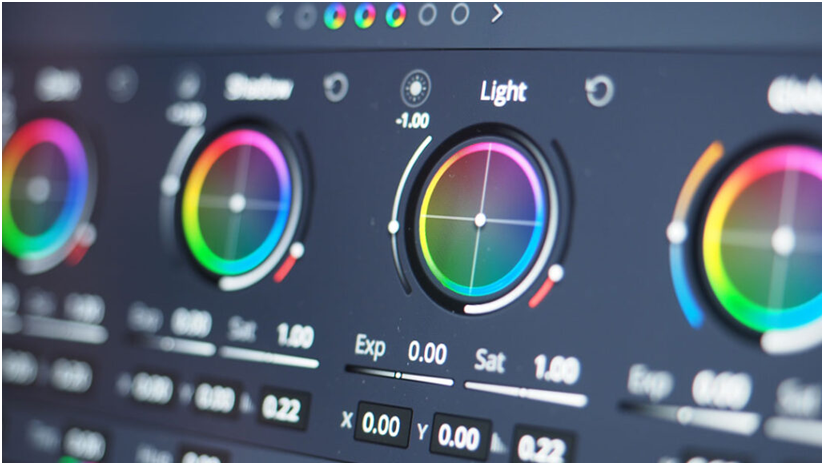
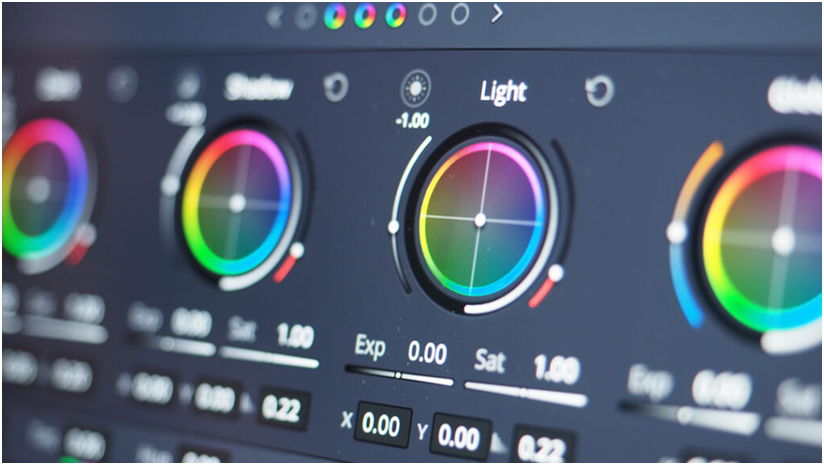
This is the real place where magic takes place: reshaping an image by selective coloring, changing tones, and modifying contrast to improve the desired cinematics.

However bright or colorful, maybe dull and gray if this is viewed against a desaturated mood of the movie. Major color grading tools include apps such as Adobe Premiere Pro, DaVinci Resolve, and Final Cut Pro.

    1. Focus on the storyline above everything.

Most of the features are very necessary, but the core of any film footage is located in its story. In communication terms, a video that is visually very pleasant but lacking in meaningful content will never interest an audience.

This means that kind of story that makes people either relate, be inspired, or be provoked when they watch it. Every movement of your camera or even a word needs to be in the service of the story you are telling.

Result

Four main things for the very movie that we make is that it requires high tech skills, those technical understandings, creativity, and a tuned eye to the final product at the end of the long day. Elevate your game and create work worth painstaking admirable results out of the most breathtaking views that your target market has ever had with the following ten tips.

With We Do Effects, we will breathe life into your daydreams for the best quality cine-video project, where men and women who are insatiable with art and the latest technology succeed. Advertisement, visual storytelling, or the best piece-masterpiece production. These make superb fine cinematic-videos with us.

Are you prepared for this? Then contact us now and together we can set tongues wagging over the ingenious movies we are about to unleash.

    1. Be Prepared: Visualize the Whole Story in Your Mind

A fantastic cinematic video begins with meticulous planning. Storyboarding enables you to see what your shot looks like, chart out the various camera angles, and order how your story flows. Hence, storyboarding is really meant for those cases where creating a guide helps translate creative vision seamlessly onto the screen.

So, really contemplate; which is right for what; which places lights well; and which transitions are the ideal intervals in communicating different concept shots within a storyboard. It can take hours for a shoot to recognize all shots and lights and effects that should look perfect for the story at random tagging.

Invest in the Highest-Grade Production Tools

The best tools available are truly the best  who really have the right kind of cinematic effect. Here at We Do Effects, we generally shoot with the professional-grade kind of gadgets, such as the Arri, Red, or Phantom camera. The camera does what you want it to do.

Refine your Technique for Composition

Composition is one of the fundamental aspects of creating fascinating shots. Apply the rule of thirds to position your subject naturally in the shooting scene, and at the same time, grab attention from the onlookers. Capitalize on leading lines, symmetry, and multiple planes to create eye candy.

See your subject from a different angle. Low shots can make your subject look like a powerhouse, while high shots can make him/her look vulnerable. Composition also enhances depth and lending of storytelling elements to your video.

A Key Detail: Light

Light is one of the most crucial factors shaping a cinematographic image. Natural and artificial light sources’ symbiotic relationship is optimal for producing the mood desired.

Everything should be understood on the three-point lighting principle, through illuminate, fill, and back lights, which adds more dimensionality to the subject and makes the footage appear more professional. Experiment using soft lighting to give a natural feel or harsh contrast for dynamic images in frames.

Shoot in Log or RAW Format

Recording in Log allows you almost unlimited potential in color grading, as it gives the flattest images with the most dynamic range.

One can hardly consider a shallow camera grade needed on a professional cinematic image provided the long shot on a certain mood.

Time for a Steadicam

You should probably go for the smooth camera movements or stabilization with something like a Steadicam, gimbal, or drone for a cinematic firm, confident grasp in preparing to execute one great shot after the other.

In getting to the point, even technical devices and vehicles like the dolly-ins, tracking shots, and pans also bear truth to the content, engaging audiences further in the narrative. For the most part of it, don’t wander around while filming, unless intended for the particular style of the material.

Focus on the Field Depth

The enormous depth of field is probably one of the most important characteristics any filmmaker or photographer should work on on their works. The use of aperture for example, a very wide aperture (low f-stop), adds a good shallow depth of field that causes the image’s background to be blurred, putting the object in focus.

In fact, depth of field is a strong storytelling element that can very well hit the high points. It could highlight very important objects within your scene and probably give the impression of making everything seem close and personal or lonely.

Capture Excellent Audio

Sound quality is one of the things that should not be underestimated. Cinema is all about quality audio. The minute you are captivated with the movie, you can just turn a deaf ear to the erratic noise of its soundtrack.

In fact, poor sound quality can spoil good shots. Get yourself some good quality external microphone or recorders.

Be the Master of Color Grading

This is the real place where magic takes place: reshaping an image by selective coloring, changing tones, and modifying contrast to improve the desired cinematics.

However bright or colorful, maybe dull and gray if this is viewed against a desaturated mood of the movie. Major color grading tools include apps such as Adobe Premiere Pro, DaVinci Resolve, and Final Cut Pro.

    1. Focus on the storyline above everything.

Most of the features are very necessary, but the core of any film footage is located in its story. In communication terms, a video that is visually very pleasant but lacking in meaningful content will never interest an audience.

This means that kind of story that makes people either relate, be inspired, or be provoked when they watch it. Every movement of your camera or even a word needs to be in the service of the story you are telling.

Result

Four main things for the very movie that we make is that it requires high tech skills, those technical understandings, creativity, and a tuned eye to the final product at the end of the long day. Elevate your game and create work worth painstaking admirable results out of the most breathtaking views that your target market has ever had with the following ten tips.

With We Do Effects, we will breathe life into your daydreams for the best quality cine-video project, where men and women who are insatiable with art and the latest technology succeed. Advertisement, visual storytelling, or the best piece-masterpiece production. These make superb fine cinematic-videos with us.

Are you prepared for this? Then contact us now and together we can set tongues wagging over the ingenious movies we are about to unleash.


How to Choose the Right Video Style for Your Brand

How to Choose the Right Video Style for Your Brand

In today’s digital-first world, video marketing has become one of the most essential tools for brand communication. Videos grab the attention, convey feelings, and tell stories like no other medium. However, with the countless video styles out there to choose from, how can you discern the one that most suits your brand? We at We Do Effects are experts in helping businesses create visually compelling videos that resonate with their audience. The following is a confluent guide exploring the procedure of choosing the right video style that aligns with your brand.

  1. Understand Your Brand Identity

Your brand identity forms the basis of all your marketing attempts, including video production. Where The app needs to be appropriate with what you stand for in terms of brand identity, those issues you need to ask are:

  • What are your brand’s core values and why is it a brand?
  • Who is your target audience and how do they perceive your brand?
  • What do you want your video to feel like? What other messages do you want to send?

For example, if your brand values being youthful, innovative, and bold, dynamic and vigorous videos, like on motion graphics and short TikTok-style clips, would be the right way to go. For luxury brands, on the other hand, cinematic storytelling or elegant product videos could be more fitting.

  1. Set Your Goals

Different types of videos serve different purposes, so clarify the aim of your video campaign, as this will narrow down your options. Here are a few video goals and the video styles that work well:

 Brand Awareness: Consider using storytelling videos, a peek at your company culture, and even an animated explainer policy to engage in a stunning way in exposing and memorable introduction to your brand.

Lead Generation: Educational content like webinars, how-tos, and so on establishes you as an industry expert, thereby attracting new customers.

Product Promotion: Product demos, shoppable videos, and 3D animations deliver a great platform for showcasing feature sets and their benefits.# Engagement: Short videos like Instagram Reels and TikTok can be used to elicit likes, shares, and comments.

3. Matching the Style with Platform

Where do you share the video matters: each medium has its style, audience behaviour and best practices. For instance,

YouTube: Big content pieces: tutorials, product reviews, brand documentaries.

Instagram and TikTok: snappy vertical videos catching their eye and cool music to go along with it

LinkedIn: Professional, thought leadership content like case studies or testimonials

Your Website: A good video for greeting visitors and explaining your value proposition.

We Do Effects designs a video suitable for various platforms to make your brand message matter whatever this video is shared with.

  1. Think of Budget and Available Resources

Not all video styles require the same level of investment; therefore, here are few styles suitable for small, medium, and bigger budgets:

 Low to medium budget: live-action videos or basic animations that won’t break the bank and are also very impactful would do well.

 Medium to higher budget: 3D animations, high-end cinematography and shoppable videos are larger investments, but the return is guaranteed.

 Keep in mind that even a small budget can go a long way. Even if simple, effective video formats like testimonials or vlog-style videos can relate exceedingly well with your audience.

  1. Types of the Video Styles That May Be Good for You

Listed below are the popular video storytelling components and a few associated best-appropriate applications for them:

Explainer Videos: They are used to deliver an easy-to-comprehend or explanationally difficult yet essential concept or product/service. Animated explainers are even more attractive and easier to follow.

Live Action Videos: The mode to represent real faces, products-be it videos, or photos-the true, unmodified captured facial expressions of pain, love, or any other precursory emotion. Cameo testimonial recording or behind-the-scenes coverage of the event.

 Product Videos: The sole aim here is just to draw attention to the amazing features, virtues, pros, and specifications of a product through fancy footages, reactionary-based or 360-degree angles, or easy guides in action.

 Social Media Videos: Generally of short-time duration and shareable content. It would work better when it is visually interesting. Features like subtitles, big-bold texts, and an interesting hook give viewers a reason to click on and give these videos more wildlife.

 Storytelling Videos: The creation of an emotional link in the audience by narrating values, possible customer success stories, or storytelling.

 Shoppable Videos: The way they capture the essence of both shopping and entertainment under one frame and allow the viewer to go shopping from that video.

  1. Test and Iterate

It might happen that one single video style might not be enough. Experiment with various approaches and track performance metrics. Which style gets the most views, shares, or conversions? The insights will help guide you in fine-tuning your strategy in due course.

 Ways in Which We Can Help

We Do Effects specializes in video production tailor-fitted to the needs of your brand. As much as possible, walking with you in the conceptual phase towards high-quality production ensures your video makes a sustained impact.

 Here are some of the ways we can assist you:

  •  Custom Video Ads: Engaging visuals that deliver a result.
  •  Social Media Content: Appropriate for optimized social platforms such as Instagram, Tiktok, or YouTube.
  •  Shoppable and Interactive: Brings about more engagement and sales.
  • High-End Production: Feature writing and editing for each still so it resonates with the story and the brand.

Conclusion

Selecting an appropriate video style for your brand may seem daunting, but with a clear understanding of your goals, audience, and budget, the project becomes more manageable. Whether you need a stylish product demo, telling a heartfelt story, or creating a quick social media clip, the right video style can give a different dimension to your brand and deepen its connection with your audience.

Excited to see your brand coming to life via video? Contact We Do Effects and let’s make something that will always be remembered.

The Role of Creativity in Commercial Video Production

The Role of Creativity in Commercial Video Production

In a world of innumerable advertisements, creativity is the secret that separates extraordinary commercials from the ordinary lot. Delivering a message from a brand is not enough. Brands must also seek to captivate, inspire, and transform the audience. It is due to the creativity shown in film production that a commercial film stands out and becomes a great storytelling medium that audiences will remember and develop a rapport with.


Creativity is embedded in every aspect of what we do at We Do Effects. Every project is treated as a work of originality and innovation, from ideation and conceptualization to traversing the creative process toward delivering the footage in polished form. It is time to look into how creativity plays a critically important role in commercial video production, given that it is crucial for brands hoping to stand out in today’s highly competitive market.

  1. Attract in a noisy world

In the age of information overload and daily bombardment by ads, creativity is the only aspect that can grab attention. A visually appealing shot, a gripping tale, or a sudden surprise has a lot of value in making the commercial video stand out in a split of seconds.

For example, instead of product demonstrations, the logic may take a humorous or abstract path to communicate a product’s benefits. This creative edge would catch the viewers’ eyes and persuade it to watch the rest of the video and remember the brand long after.

  1. Enhancing the emotional connection

In creativity, storytelling becomes the way through which brands can touch sensitive chords in their audiences. A perfect advertisement is one that does not solely sell a product, but rather makes synapses fire up in the audience with feelings of joy, hope, nostalgia, or good old excitement.

For instance, an ad about a home appliance may juxtapose itself against technical specifications by showing how it can bring a family together, turning ordinary moments into memories. Creativity helps tap into universal emotions and bind your message to the brand while creating a greater, more meaningful connection with your target group.

3. Communicating Complex Information Simply

Creativity lets brands communicate their most complex messages to an audience in a very simplified form and with very lean involvement. The use of big metaphors, visual storytelling techniques, and innovative editing are on the rise, as all these kinds of developments allow technical stuff and ideas to be made more engaging and digestible.

 For example, a tech mentioning about the benefits of cloud computing could utilize an animated metaphor such as “your office in the sky” or an animation that is appealing and creative, to make the idea more tangible and embedded in the memory of the audience.

4. Building Brands

A masterpiece television commercial is an added extension of the original brand. Thanks to unique visuals, fantastic storylines, meme-worthy taglines, companies distinguish themselves from local competition in attractive ways.

 References could be made to outstanding TVCs using repeated characters and their distinct color schemes or catchy jingles. Such creative motifs reinforce an image of the personality behind a brand by establishing associations with a specific trait or quality within the audience.

  1. Galvanizing actions

Creativity is not only attractive but incites action. Viewers are driven to make buying decisions, to visit certain websites, or to feel compelled to share those receiving so much admiration.

Consider the beneficial nature of such activities in the realm of aversive strategies, surprise value, or audience engagement. On curiosity, entertaining, and peoples’ engagement in the ad would multiply the brand loyalty and brand awareness.

  1. Presentation of products under a different light

Introducing a dosage of creativity in video quality allows brands to present their products or services in the most surprising and innovative manner. Rather than boring audiences with the usual literal representation, the product could be interwoven within a story or set in a highly fantastical place that engages the viewers’ imagination.

A beverage company would show off its drink as fuel for adventure, while a fashion brand might show its wares in some whimsical and dream-like environment. Creative presentation blends reason and passion and makes the product desirable and unforgettable.

7. The Modern, Cutting-Edge Technologies for Reinventing Creativity

Innovations within the commercial realm stem from stepping beyond boundaries due to potential uses of cutting-edge technologies. Imagine the variety possible if TV commercials were to embrace CGI along with animation. And there lies the potential of drone and 360-degree video shots to inject color and animation into each shot.

 We are with We Do Effects putting all the latest audiovisual machinery, software, computer graphics, and visual effects into action, allowing even the most outlandish ideas to come to life! It is always the combination of creativity and technology that creates emotionality and technical excellence.

Use Characters to Channel Emotions into a Call-To-Action

Ad films usually create the feeling required but should not just stop with feeling. This is because more importantly, advertising films have prompted action. Ideally, you engross within a story that merges seamlessly into the call to action(CTA) and inspires them to perform certain actions on your brand.

For instance, an appropriate call to action for a joy-enriched ad would say, “Share the happiness-discover more!” While, for an inspiration-centered ad local, it may read, “Start your journey today.”

 Ensure that it does not seem out of place with the emotion evoked so far by the ad.

8. Giving Guarantee to an Impact that is Long-Lasting

From creativity unfolds a masterpiece of a TVC which is touching: not a rushed and forgettable 30-second piece of TVCs. Just think back to some of the ads that still impress people decades down the line because of their great creativity-the pocketful of brands that used another handful as an example. Creativity therefore keeps your brand alive in the minds of the people-it gives the presentation an everlasting existence and guarantees customer loyalty and repetition.

Key Ingredients for Creativity in Video Production

  • The practice of reserving ideas available so that they may cultivate is an endeavor to explore, view opportunities, and present with a unique manufacture consistent with the brand, and an appeal to the existing audience.
  • Visual Elements in Video Production: An exploration of your video production will be made very much interesting by the guerrilla red undertones of colors, camera shots that arise from angles unfathomable by the human eye, and sets which are unheard of for your garden-variety-theater-going public.
  • Understanding the Storyline-A magnificent storyline that hooks the viewer into never-ending anticipation, a story that relates through the life of the characters with a bit of twist, boring but smooth company stakes of emotion, and a splendidly satisfying conclusion.
  • Music and Sound Design-The sounds and music in the film should complement the emotions intended to be relished and felt while telling the story. The sound score has a say in whether the ad falls in the category of trash or retains its charm.
  • Cutting and Inclusion of Effects-Editing and creative effects create a reputation of regard for video production and impact its narrative audience in enormous numbers.

In Conclusion

Creativity is the single constituent in all successful commercial videos. It is the thing that takes an ordinary ad and makes it unforgettable, reaching the audience, strengthening brand awareness, and encouraging a strong response.

 Here at We Do Effects, we believe that every commercial holds an opportunity to break forth frontiers and set fresh standards in the art of video production. Our team of artiste, filmmaker, and storyteller are always hard at work to translate your vision into something tangible, so that your message doesn’t just reach your audience but leaves an imprint on the minds of the viewers.

 If you are up for creating a standout ad with an impact on the audience, get in touch with us. Let us work together to bring something extraordinary to the tale.

Building an Emotional Powerful Ad Film

video production companies

Building an Emotional Powerful Ad Film

It is not just in today’s time-sensitive digital age that you have to catch your reader’s eye as you need to leave them something to remember you by. The best ad films of all time are the ones that try and do more than just about sell. They make connections with the audience on the emotional scale and, when done right, will win their loyalty, inspire them to take action, and not easily forgotten.

 In We Do Effects, we take pride in our work creating advertisements resulting in ad films that not only communicate with the viewer but also bring to the table measurable impact to the advertiser. Through this post, read on how an emotionally compelling ad film comes into being while providing an explanation of what it means to stand out in the present crowded advertising space.

Know Your Audience

Making emotionally engaging stories entail knowing the audience that such stories are intended for. Set aside some time to delve into and study your target audience and their problems, wants, and values.

The empathy that resonates from putting oneself in place of another, much more of what emotions would appeal may be one of these:

  • A young professional may perhaps find connection with ambition and success
  • A parent could perhaps be closer to the storyline suitable for themes of love, safety, or family
  • Even in understanding the target folks, one can be selective on the emotions that advert shall elicit in their target audiences.

Tell a Good Story

Primarily, all emotionally powerful ad films are about stories: human beings interpret narration as a way of explaining life. Well-told stories have a way of remaining with audiences for a lifetime.

  • Make sure your story is logical.
  • Beginning: An identifiable character or situation functioning as a hero.
  • Middle: Introduction of conflict or challenge that makes the emotion seep through.
    End: Resolving the conflict in a manner that conforms with your brand message.
  • Think of an advertisement for a fitness brand that may highlight the person who achieves their health goals by overcoming all obstacles.

This Points Appeal to Universal Emotions

There is a constant folly on the part of some people, where they use these emotional appeals to everyone they communicate with across cultures, demographics, and experiences. These are types of emotions:

  • Happiness: Ads that woo joy from people can leave them uplifted and, inevitably, make them associate your brand with light-heartedness.
  • Fear: Carefully administered fear would make your recipients see your ads as helping them solve a nagging problem-, probably as regards safety or health concerns.
  • Inspiration: Victorious stories or those about facing adversities inspire viewers and create a deep connection.
  • Attachment: Ads that play on community, family, or togetherness evoke a sense of connectivity.
  • Define the emotion you want to awaken and design the story to be compressive to that emotion.

Let the Product Shine (Subtly)

The commercial should tell an exciting and involving story without sidelining your product. The best commercials on record include the product or service in the storyline of the commercial.

Make your product involved at a plot point of the story. For example:

A car company could run an ad featuring a family road trip where the vehicle ensures you are safe and comfortable.

A skincare product might be shown in a story of gaining back confidence. It could have mentioned the product only as part of his/her journey.

Don’t get excessively overdramatic on your product-selling value, but focus more on explaining how the product is making the story have more value.

Allow Characters to Connect to an Audience

Once the story develops, the characters portrayed should be such that everyone can identify with them on some emotional level.

The story simply has to be about some aspects of the human condition – struggles, dreams, values as per the intended audience to resonate with the audience.
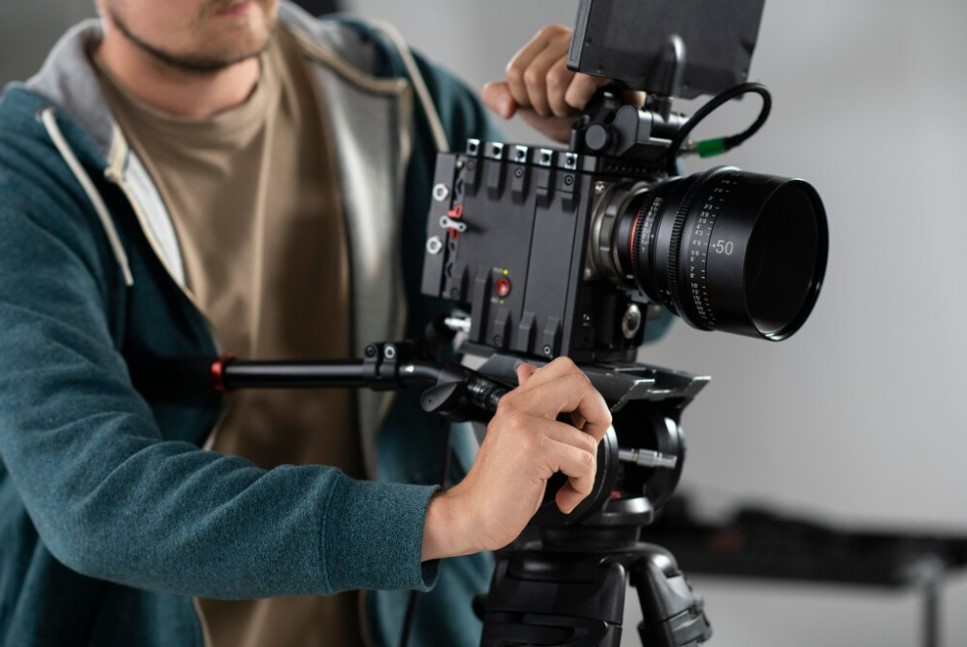
For instance, if an ad film targets working mothers, show a character who is trying hard to juggle her work and family life. It would draw in viewers because the relatability would make it easier for them to see themselves in the story. Thus they’d feel closer to your brand.

Music for a Mood

Use a lot of music to effectively raise the bar of feeling. The right soundtrack can lift a commonplace scene up to the level of deeply moving, profound moments.

Here are a couple of ideas:

  • Soft, emotional tunes for nostalgia or warmth.
  • Upbeat, energizing tracks for excitement or joy.
  • Dramatic crescendos for heightening tension or creating anticipation.
  • At We Do Effects, we choose the background score which will stand next to the narrative and uplift the emotional range of an ad film created by us.

Tell the Story through Visuals

Very impressive ad films can not only transmit emotions in their words, but they actually do it with the help of visuals. Show the story – use great cinematography, lighting, and framing.

Some of them include:

  • Close shots: Capturing facial expressions to bring out the raw feelings.
  • Lighting: The feeling is provided through the colours reddish-yellow range for comfort and colder colours for tension.
  • Symbolism in visual: Compliment the emotion with a visual metaphor to connect along with the message.
  • For example, show a sunrise and it symbolizes hope or dawn of a new day. Stormy sky denotes struggle, unrest, or difficulty.

Use Characters to Channel Emotions into a Call-To-Action

Ad films usually create the feeling required but should not just stop with feeling. This is because more importantly, advertising films have prompted action. Ideally, you engross within a story that merges seamlessly into the call to action(CTA) and inspires them to perform certain actions on your brand.

For instance, an appropriate call to action for a joy-enriched ad would say, “Share the happiness-discover more!” While, for an inspiration-centered ad local, it may read, “Start your journey today.”

 Ensure that it does not seem out of place with the emotion evoked so far by the ad.

Keep It Real

If an ad feels forced or insincere, then you can be sure of detecting it in a moment. To make ads really tick with their target audiences, all the more reason to stick to what the brand stands for and what not to do: not to take their story over the top in sentimental long pulls.

 Real people, real times-but it’s not just that, but the challenges that people have in common. Authenticity is what sets us up in terms of credibility to trust such a message being conveyed to us.

Measure and Improve Your Idea

Test the ad film with a focus group or a tiny audience before being absolutely certain about the film. Pay attention to their reactions and take as much feedback as possible.

Did they resonate with what you sent out to your viewers? Was the music and visuals with narrative successful in eliciting the intended emotion from viewers? The information from this research will allow you to fine-tune the ad and ensure it delivers the very peak performance out of accomplishing its aim.

Conclusion

Test the ad film with a focus group or a tiny audience before being absolutely certain about the film. Pay attention to their reactions and take as much feedback as possible.

Did they resonate with what you sent out to your viewers? Was the music and visuals with narrative successful in eliciting the intended emotion from viewers? The information from this research will allow you to fine-tune the ad and ensure it delivers the very peak performance out of accomplishing its aim.

Maximizing ROI: How High-Quality Videos Can Boost Your Brand

video production companies

Maximizing ROI: How High-Quality Videos Can Boost Your Brand

Companies are always looking for efficient strategies to maximise their return on investment (ROI) in the digital era of today. Excellent video content is among the most effective instruments one can use to do this. Unlike other media, videos have the special power to enthral viewers, properly transmit ideas, and inspire participation. This is a detailed analysis of how excellent videos can strengthen your brand and maximise return on investment.

Get Right Attention Right Away

In a world full with information, attracting attention right away is really vital. Excellent videos catch the audience’s attention right in the first few seconds. Clear audio, expert editing, and interesting images really change things. People that are attracted in by aesthetically pleasing and professionally created videos are more inclined to see the whole video and interact with your business. Making a connection with prospective consumers starts with this first interaction.

Clearly Share Your Message

Explaining difficult concepts or showing how a thing operates is rather well using videos. A well-made video will help your viewers to grasp and recall your point of view succinctly and precisely. An explainer film could, for example, simplify difficult ideas into easily absorbed knowledge. Good brand recognition and recall follow from your audience’s resonance with your brand’s message made possible by this precision in communication.

Foster credibility and trust.

Excellent videos may greatly strengthen the credibility and confidence your business inspires. Professional-looking videos help to represent your brand’s image properly. A brand that supports outstanding content will certainly inspire more trust from people. Long-term connections and more client loyalty may follow from this confidence. Furthermore, including client quotes or behind-the-scenes material in high-quality videos can help your business to be more approachable and reliable to your audience.

Boost Engagement and Shareability

Individuals like distributing videos. Viewers’ friends and relatives are more inclined to share high-quality, interesting videos. This will greatly expand your visibility and reach, drawing in fresh potential clients. Your brand receives more exposure the more people interact with and share your videos. Video material is given top priority on social media platforms, so your videos are more likely to be viewed by a bigger audience, hence strengthening the visibility of your business.

Boost Internet presence and SEO.

Google and other search engines prefer websites with video content. Excellent videos may increase your search engine optimisation (SEO) and raise the ranking of your website among search results. This implies improved web visibility and more natural traffic to your site. Videos also help users stay on your website longer, therefore lowering bounce rates and raising conversion possibilities. Including videos on your landing pages may also improve user experience and increase the likelihood that guests will perform the intended action—that is, either purchasing or registering for a subscription.

Sales and Drive Conversions

Every marketing plan aims ultimately to generate sales and conversions. In this sense, high-quality videos may be really powerful. Product demonstrations, client endorsements, and explanation videos may inspire buyers. Clear calls to action and advising viewers on what to do next may also find place in videos. A film highlighting the advantages of a product, for instance, may provide a direct link to buy, therefore facilitating viewers’ conversion into consumers.

Boost Emotional Link

More successfully than any other kind of material, videos may arouse feelings. Excellent videos may establish a deep emotional connection with your viewers by means of graphics, music, and narrative. Brand loyalty depends critically on this emotional involvement. Viewers who find emotional resonance in your brand are more likely to recall it and pick it over rivals. Emotional ties may also result in word-of-mouth recommendations, therefore enhancing the profile of your business.

Flexible and accommodating content

Excellent videos are flexible and applyable on many platforms and marketing outlets. Videos may be modified to match many forms and audiences whether they relate to your website, social media, email marketing, or internet adverts. This adaptability maximises your ROI by allowing you to obtain greater mileage from one piece of material. A well-made brand video, for example, may be cut for Instagram, included in email newsletters, or part of a more extensive advertising campaign.

Quantifiable Influence and Real-world Understanding

Measureability of video material is one of its main benefits. Right analytics tools will let you monitor watch, interaction, shares, and conversion performance of your videos. This information offers insightful analysis of what works and what doesn’t, thereby helping you to hone your video marketing plan for even more success. Future video material may be more focused and successful if one understands the preferences and behaviour of the viewers.

Economically Smart Over Time

Although creating high-quality movies might need an upfront outlay, the long-term advantages make it very affordable. Excellent videos last longer and may keep people interested and convert them long after they are released. Furthermore, videos may be utilised again in many campaigns to maximise return on investment and provide continuous value. Usually, the return on investment from a well-made video exceeds the original production expenses.

Finally,

Purchasing excellent videos can greatly strengthen your brand and increase your return on investment. From drawing attention and fostering trust to raising involvement and generating sales, the advantages are really large. If you haven’t already, give your marketing plan some thought on using premium videos. A well-made video may be transforming, enabling your company to stand out in a competitive market, establish closer connection with your audience, and finally stimulate corporate development. Call or visit one of the video production companies today.


10 Creative Ways to Use Video Marketing for Your Business

video production company

Though difficult, video marketing is interesting. Even brief films are created with a lot of behind-the-scenes labour. Though writing the screenplay, filming, and editing are all labor-intensive, typically the biggest obstacle is first generating a consistent flow of creative ideas.

The ten video marketing concepts below fit all kinds of companies, regardless of their size or level of inspiration sought for.

1. Animated storytelling

For B2B video marketing, use animated storytelling. In B2B marketing, animated storytelling is an interesting and creative approach to present concepts. Animation allows companies to create visually appealing narratives that catch the audience’s attention out of complicated ideas. This not only clarifies difficult knowledge but also gives the material some entertaining value.

Companies may make their messaging more interesting and understandable by using vibrant images, energetic people, and imaginative situations. Simplifying the content and using aesthetically pleasing animations will help to make the narrative experience fun and increase the efficacy of B2C communication.

2. Cinema Product Releases

Launching a cinematic product is like creating a mini-movie showcasing your B2B goods in an interesting fashion. Rather of just enumerating qualities, you build a narrative-telling film that excites viewers. To make it seem like a unique occasion, use striking images, a compelling narrative, and music.

In this sense, your product release becomes an experience that connects with your audience on a deeper level rather than just something new.

3. Interactive Quizzes for Video

One creative and entertaining approach to include your B2B audience is via interactive video quizzues. You allow people to participate in the discussion rather than only chatting to them over your films. These tests make the learning process more fun by allowing users to engage with your video by choosing answers or completing tasks.

It like turning your material into a game. Keeping the questions relevant to your subject not only provides information but also reveals what your readers know and like.

4. 360-degree video trips

One interesting and immersive approach to present your B2B universe is using 360-degree video tours. These movies enable your viewers experience locations as they are really there, not just display images. See it as a virtual journey where viewers may explore all directions. This innovative technique works well for showcasing your facilities, touring your offices, or showing your goods.

5. User-generated Content Difficulties

One interesting and inclusive approach to include your B2B audience in producing material for your business is user-generated content challenges. Rather of merely highlighting the capabilities of your business, you inspire your clients and partners to creatively share their experiences. It’s like organising a friendly tournament that not only highlights your happy consumers but also fosters brand community around.

6. Series of Video Infotainment

Combining knowledge with amusement, video infotainment shows help to make B2B material more appealing and fascinating. These shows seek to amuse as well as educate, not just provide statistics and data. Learning becomes a fun experience that guarantees your audience not only gains of knowledge but also enjoys themselves doing it.

7. Emotional Brand Narration

Emotional brand storytelling is mostly about relating to your B2B audience personally by appealing to their emotions and experiences. This strategy entails telling stories that arouse emotions and connect with your audience’s values, therefore transcending the emphasis on facts and features. It’s like narrating a tale beyond business to establish a real relationship.

Imagine a situation when your organisation specialises in corporate sustainability practices. You might tell tales of how your ideas have improved the surroundings rather than just enumerating environmentally favourable aspects.

8. Customisable Video Messages

Using tailored B2B video messagingBy customising materials especially for certain customers or prospects, personalised video messages provide B2B communication a human touch. Send a little video addressing your recipient by name and addressing their particular needs or interests instead of generic emails. This strategy not only grabs attention but also gives your conversation more real and sensitive quality.

9. Time-lapse or stop-motion films

Time-lapse or stop-motion filmsTime-lapse or stop-motion movies provide a visually appealing means of creatively displaying processes, projects, or changes in direction. These films compress time or use images to convey a tale in an original and interesting manner, therefore transcending simple information presentation. It’s like transforming daily tasks into an intriguing show that grabs viewers’ interest and gives your B2B material some artistic licence.

10. Gamified Video Instruction

Gamified training films provide B2B instructional materials an element of fun and involvement, therefore enhancing their engaging and joyful nature. Imagine adding game-like components—quests, challenges, or interactive scenarios—into your instructional films instead of conventional training tools.

This method helps to improve knowledge retention by transforming the learning process into an interesting and enjoyable experience.

Finish

There are many ways you may elevate your B2B marketing, and the secret is to really implement those ideas. Whether you decide to create your own or bring in a reputable corporate video production company always ensure your films appear first-rate.

These innovative techniques’ success relies on your ability to effectively convey your message, so be sure your audience will really relate with them. Explore various artistic directions, but bear in mind that creating excellent films will eventually define the success of your B2B marketing.